
Best Places to Visit Near Dwarka: Top Attractions & Day Trips
September 25, 2026
Looking for a Family Restaurant in Dwarka? Know What to Consider
September 25, 2026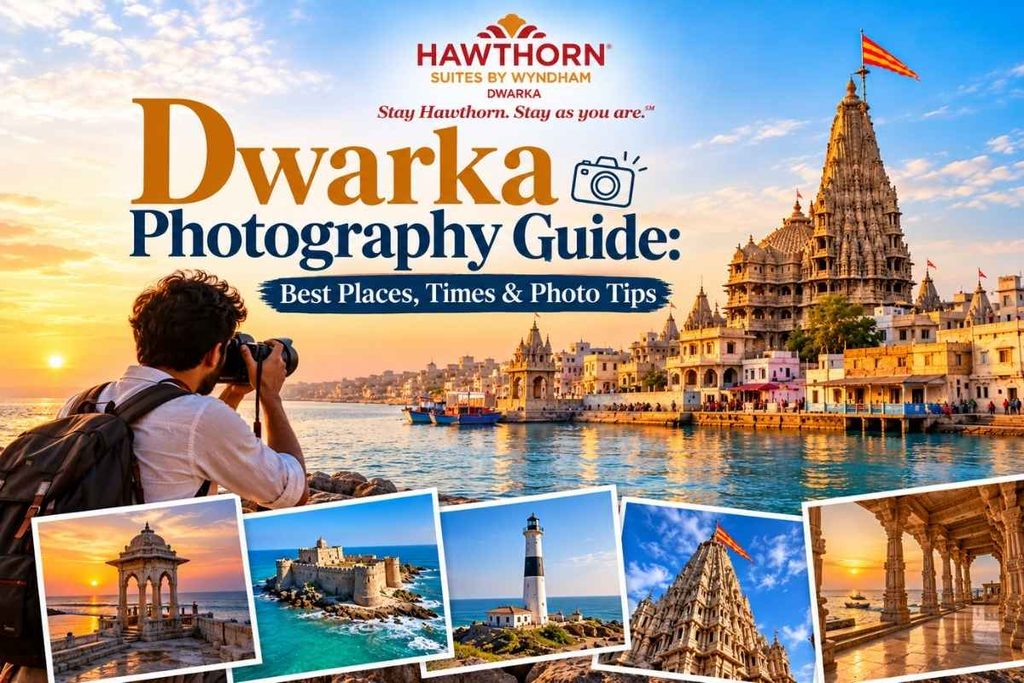
Dwarka is a beautiful destination for travellers who enjoy photography. The city brings together ancient temples, sacred ghats, coastal landscapes, colourful streets, traditional architecture, and peaceful views of the Arabian Sea. Whether you use a smartphone or a professional camera, there are plenty of opportunities to capture memorable photographs during your trip.
From the impressive architecture of Dwarkadhish Temple to the sunset at Shivrajpur Beach, every part of Dwarka has a different visual character. However, getting great travel photographs is not only about having a good camera. Choosing the right location, timing your visit, understanding local rules, and respecting the religious nature of the city are equally important.
Here is a practical photography guide to help you capture the best of Dwarka.
Best Places for Photography in Dwarka
1. Dwarkadhish Temple
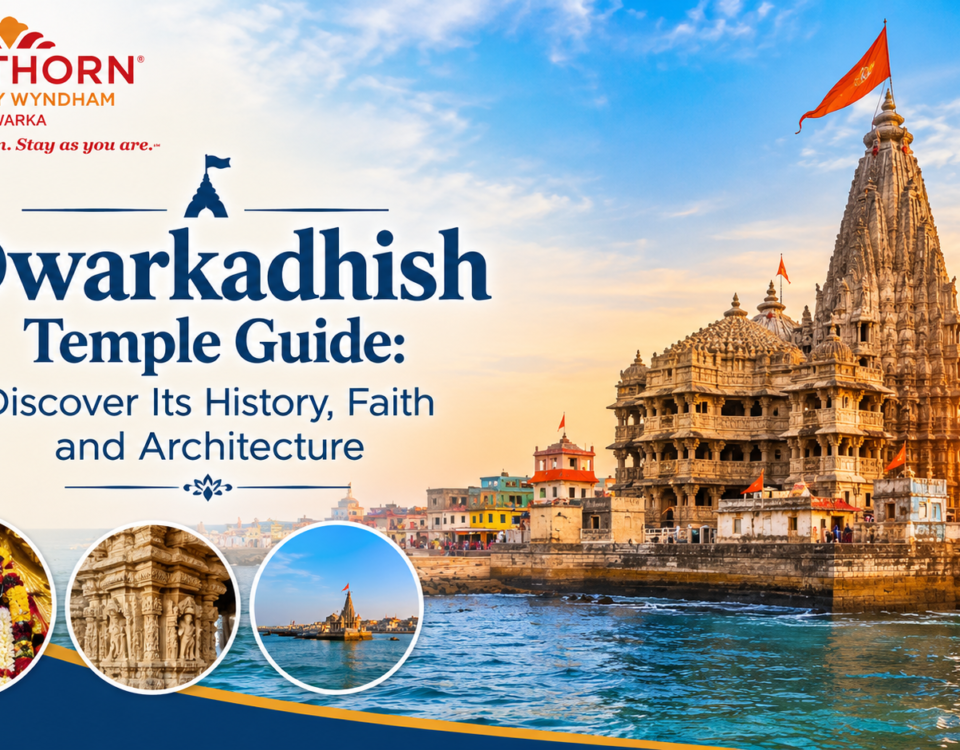
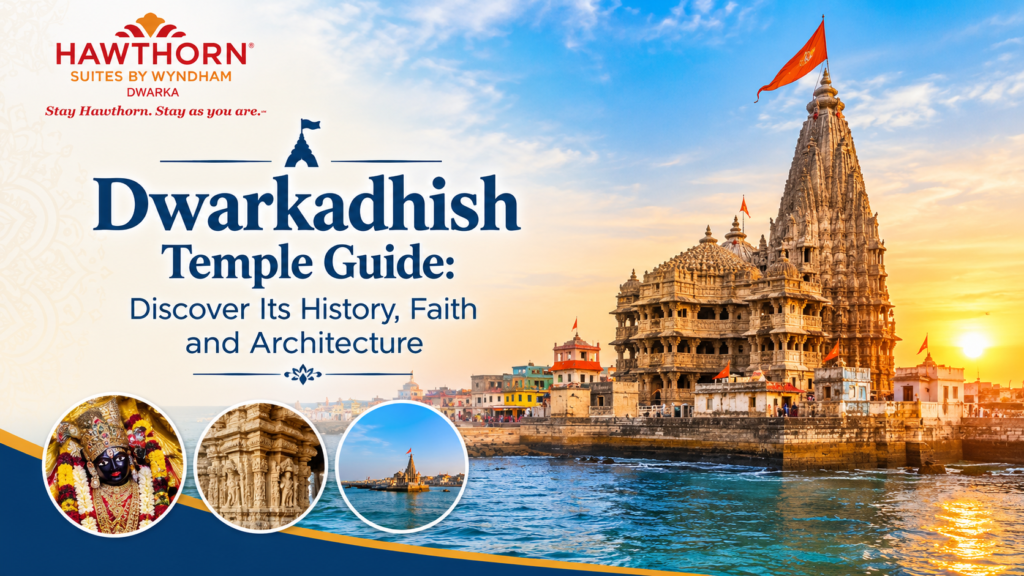
Dwarkadhish Temple is one of the most recognisable landmarks in the city. The temple’s tall shikhara, detailed architecture, flag, and surrounding streets provide excellent subjects for travel photography.
The temple is believed to have a history going back more than 2,500 years, and its architecture has been renovated over different periods. Gujarat Tourism highlights its sculpted walls, tall spire, and distinctive temple structure.
For photography, focus on the exterior rather than trying to photograph restricted areas. Look for architectural details, the temple entrance, the shikhara, surrounding streets, and wider compositions that show the temple in its surroundings.
Remember that photography restrictions apply inside religious areas. Always follow the current instructions given by temple authorities.
2. Gomti Ghat
Gomti Ghat is one of the best places for capturing the spiritual atmosphere of Dwarka. The combination of the river, stone steps, shrines, boats, pilgrims, and nearby architecture creates many different photography opportunities.
Early morning is a good time to photograph the area because the light is softer and the surroundings can be relatively peaceful. Late afternoon can also provide attractive light and reflections across the water.
Incredible India recommends early morning or late afternoon for visiting Gomti Ghat, when the surroundings and views are particularly pleasant.
Try using a wide-angle composition to include the ghat and surrounding architecture. You can also experiment with reflections in the water.
When photographing people, especially pilgrims performing religious activities, maintain a respectful distance and ask permission before taking close-up portraits.
3. Sudama Setu
Sudama Setu offers another interesting viewpoint around Gomti Ghat. The bridge gives photographers an elevated perspective of the river and surrounding area.
Try photographing the bridge itself as a leading line. You can also frame the Dwarkadhish Temple or the surrounding waterfront through the structure of the bridge.
The best results usually come during early morning or late afternoon when the sunlight creates more texture and depth.
Avoid stopping in areas where photography could interfere with pedestrian movement. Follow all safety instructions and use only permitted pedestrian areas.
4. Dwarka Beach
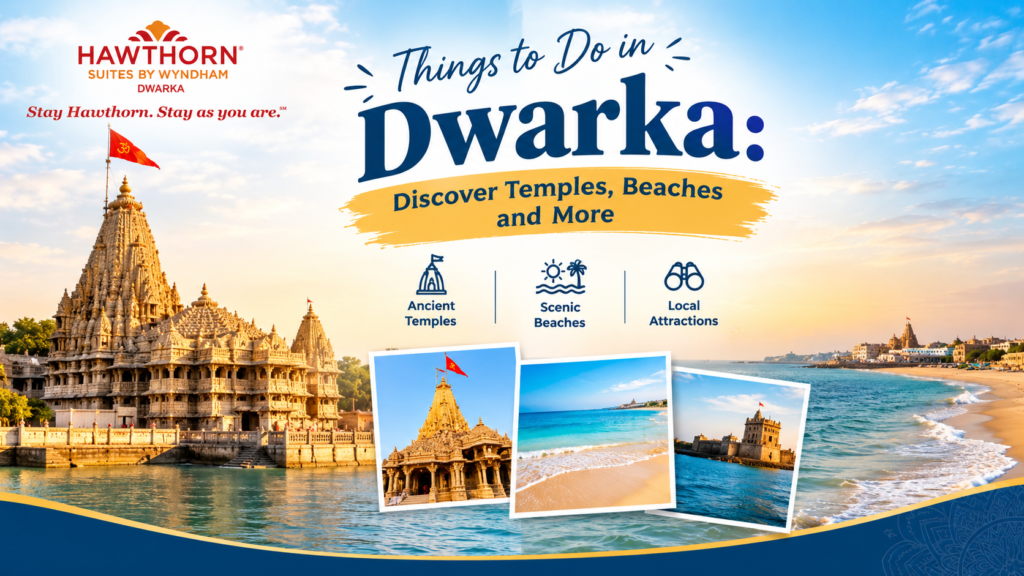
Dwarka Beach provides a completely different photography experience from the city’s temples and ghats. The Arabian Sea, rocky shoreline, sky, and surrounding landscape offer opportunities for both landscape and lifestyle photography.
Sunset can be particularly attractive because the changing light creates warm tones across the water and coastline. Incredible India describes Dwarka Beach as a coastal destination where visitors can enjoy the shoreline and sunset views.
For landscape photographs, keep the horizon straight and experiment with different compositions. You can include people walking along the shore to add scale to your photographs.
5. Shivrajpur Beach
Located around 12 kilometres from Dwarka, Shivrajpur Beach is one of the most popular coastal photography locations near the city. It is a Blue Flag-certified beach and is known for its white sand, clear water, and scenic coastline.
The beach is especially attractive during the evening. The sunset can create warm colours in the sky and beautiful reflections across the water.
You can photograph waves, footprints in the sand, silhouettes, coastal landscapes, and candid travel moments.
If you are carrying a professional camera, protect the lens and equipment from sand and sea spray. A small cleaning cloth can be useful during a beach photography session.
6. Bhadkeshwar Mahadev Temple
Bhadkeshwar Mahadev Temple offers a dramatic coastal setting. The temple is positioned near the Arabian Sea, creating opportunities for photographs that combine architecture and the ocean.
The changing tide can also alter the appearance of the surroundings. However, coastal photography should always be done from safe areas. Do not approach rocks or water simply to get a better photograph when conditions are unsafe.
The temple and surrounding coastline can be especially interesting around sunset.
7. Bet Dwarka
If your itinerary includes Bet Dwarka, take your camera along. The island and its coastal surroundings provide opportunities for a different type of travel photography.
The District Devbhumi Dwarka website notes that Beyt Dwarka is located around 30 kilometres from the main town and is associated with beaches, coral reefs, marine life, excursions, camping, and picnics.
The journey itself can provide photographs of boats, water, coastline, and everyday local life.
Keep your equipment secure during boat travel and protect it from water and wind.
Best Time for Photography in Dwarka
The time of day can make a major difference to your photographs.
Early Morning
Early morning is ideal for temple exteriors, Gomti Ghat, streets, and peaceful city scenes. The softer light can reduce harsh shadows and give photographs a natural appearance.
It is also a good time for travellers who want to capture the city before the busiest part of the day.
Golden Hour
The period shortly before sunset is excellent for coastal photography. Warm sunlight can add depth to buildings, people, rocks, and the sea.
Gomti Ghat, Dwarka Beach, and Shivrajpur Beach can all offer interesting evening compositions.
Blue Hour
After sunset, the sky can retain some colour while artificial lights begin appearing around the city. This can be an interesting time for photographing temple exteriors, ghats, and waterfront areas.
Use a stable surface or tripod where permitted, and keep your equipment secure in crowded areas.
Smartphone Photography Tips
You do not need an expensive camera to take good photographs in Dwarka. Modern smartphones can produce excellent travel images when used carefully.
Clean your camera lens before taking photographs. Use the grid feature to help keep horizons and architectural lines straight.
Avoid excessive digital zoom. Instead, move closer when it is safe and appropriate.
For sunsets, tap on the brighter part of the sky to control exposure and prevent the sky from becoming completely white.
Portrait mode can work well for people, food, and architectural details, while the wide-angle camera is useful for temples and landscapes.
Camera Settings for Travel Photography
If you are using a DSLR or mirrorless camera, keep your settings flexible.
For daytime architecture, a moderate aperture can keep more of the scene sharp. For portraits, a wider aperture can help separate the subject from the background.
For moving subjects, use a faster shutter speed. For sunsets and low-light scenes, you may need to increase ISO or use a tripod where permitted.
Always check your exposure before moving on. Bright coastal sunlight can sometimes make the sky or white buildings appear overexposed.
Respect Photography Rules
Photography in Dwarka requires some awareness because many locations are religious sites.
Do not assume that photography is allowed simply because you can see other visitors taking pictures. Rules can differ between temple exteriors, courtyards, and inner areas.
The Dwarkadhish Temple has restrictions around photography inside the sanctum.
Follow signs and instructions from temple authorities. Avoid using flash around religious ceremonies and never interfere with prayers or rituals for a photograph.
When photographing local people, ask permission for close-up portraits. Respect anyone who does not want to be photographed.
Protect Your Camera Equipment
Dwarka’s coastal environment means your equipment can be exposed to sand, wind, humidity, and sea spray.
Carry a microfiber cloth and keep your camera inside a protective bag when you are not using it. Avoid changing lenses in dusty or windy locations.
At beaches, be particularly careful with sand. Even small particles can enter camera equipment and cause problems.
If you are travelling during the hotter months, avoid leaving your camera or smartphone inside a parked vehicle for long periods.
Where to Stay for a Photography Trip
A comfortable hotel can make your photography trip much easier, especially if you plan to wake up early for sunrise photography or return after sunset.
Choose accommodation based on its location, comfort, parking, and accessibility to the places you want to photograph. A convenient base can reduce travel time and give you more flexibility during the day.
Travellers looking for a comfortable premium experience can consider a Luxury Stay at Dawarka.
For travellers combining their trip with a wedding or family celebration, accommodation with event facilities can also be useful. Those planning a destination celebration can explore Wedding Hotels in Dawarka.
A Simple Photography Plan for Dwarka
If you have one full day, start early at Gomti Ghat and capture the morning atmosphere. Continue towards the Dwarkadhish Temple for exterior architecture and surrounding streets.
During the afternoon, explore local areas and take a break from the camera. Later, head towards Dwarka Beach or Bhadkeshwar Mahadev Temple for evening photographs.
If you have another day, consider visiting Bet Dwarka and Shivrajpur Beach. This gives you a wider range of subjects, including temples, boats, coastline, landscapes, and sunsets.
Final Thoughts
Dwarka is a rewarding destination for photography because it combines spirituality, architecture, people, and coastal landscapes in one place. The best photographs do not always require expensive equipment. Good timing, patience, respectful behaviour, and thoughtful composition can make a much bigger difference.
Start early for peaceful temple and ghat photographs, use golden hour for coastal scenes, and take time to explore different viewpoints. Most importantly, remember that Dwarka is a living religious destination. Respect its traditions and people while capturing the beauty of your journey.
With the right preparation, your photographs can tell the story of Dwarka beyond the usual tourist snapshots, from the details of ancient architecture to the calm waters of the Arabian Sea.