
What Makes Dwarka Beach Special on Your Gujarat Travel Journey?
October 21, 2026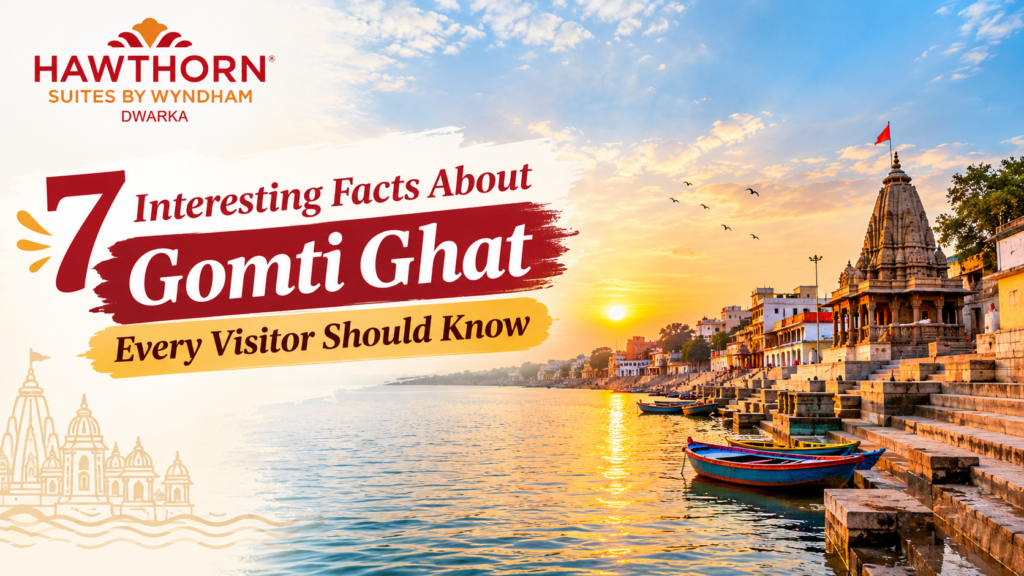
Gomti Ghat in Dwarka, Gujarat, is where the sacred Gomti River meets the Arabian Sea, right beside the Dwarkadhish Temple. For pilgrims, it is a place of ritual bathing and prayer. For travelers, it is a photogenic spot with sea breeze, temple bells, and golden sunsets.
Yet most visitors only scratch the surface. This guide shares seven practical facts about Gomti Ghat, from its mythological roots to the best time to visit, so you can plan a meaningful trip and avoid common mistakes.
Read more: Dwarkadhish Temple Guide: Discover Its History, Faith and Architecture
7 Interesting Facts About Gomti Ghat
1. Gomti Ghat Marks a River-Meets-Sea Confluence
The ghat sits where freshwater flows into the Arabian Sea, which gives it a unique landscape. At high tide, the water rises along the steps, and at low tide, the shoreline opens up.
Why the confluence matters
In Hindu tradition, a sangam (confluence) is considered especially auspicious, so a dip here is believed to carry spiritual merit.
2. It Is Linked to Ancient Dwarka and Lord Krishna
Dwarka is traditionally regarded as Lord Krishna’s kingdom. Local tradition says the Gomti was brought to this land through the efforts of sage Vasishtha, which is why the river is revered here. Marine archaeology around Dwarka has fascinated researchers for decades, but treat popular claims about the “lost city” with caution and rely on published studies.
3. The 56 Steps Connect the Temple to the Ghat
One of the most memorable experiences is walking the 56 steps that lead from Dwarkadhish Temple’s Swarg Dwar (Gate of Heaven) down to the river. Pilgrims usually bathe first, then climb up for darshan. For more on the shrine itself, read our Dwarkadhish Temple visitor guide.
4. Sudama Setu Gives the Best Views
Sudama Setu is a pedestrian suspension bridge over the Gomti that connects the ghat area with the Panchnad Tirth side. It is a favorite for photography and a calm evening walk.
Practical tip
Visit near sunset for softer light and cooler weather, and keep your phone secure in strong winds.
5. Nearby Temples Make It a Full Pilgrimage Circuit
The ghat is surrounded by sacred sites, including Samudra Narayan Temple at the river mouth and Chakra Tirth Ghat nearby. You can cover these on foot in a half day. Planning a bigger trip? See our Dwarka sightseeing itinerary.
6. Rituals and Offerings Are Part of the Experience
Many visitors perform prayers, offer flowers, or immerse puja items in a respectful manner. Local priests (pandas) offer ritual services, but agree on the donation before starting. Never feel pressured, and always ask for clarity first.
Etiquette checklist
- 1. Dress modestly and avoid leather items near the temple area.
- 2. Use designated bins for waste, and avoid throwing plastic into the water.
- 3. Ask before photographing people performing rituals.
7. Timing Changes the Entire Experience
The best months are October to March, when the weather is pleasant. Early morning offers quiet prayers, while evenings are livelier. Janmashtami and other festivals bring large crowds, so book stays early. Fridays and weekends are also busier.
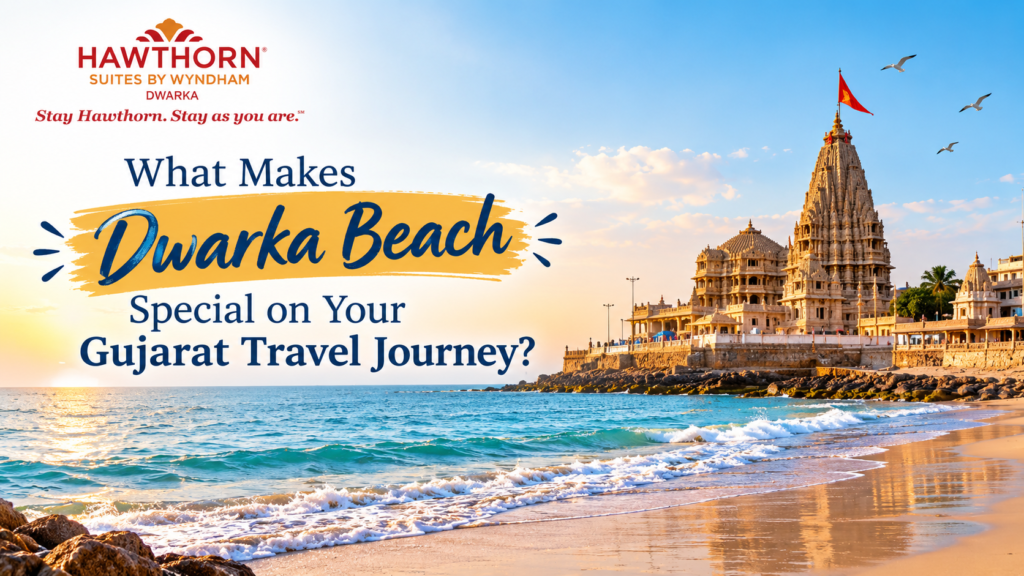
Read more: What Makes Dwarka Beach Special on Your Gujarat Travel Journey?
Practical Visitor Tips for Gomti Ghat
- Getting there: Dwarka has its own railway junction, and the nearest major airport is Jamnagar, roughly 130 km away. Confirm current schedules before travel.
- Footwear: Temple areas require you to remove shoes, so carry a small bag or use the cloakroom.
- Safety: Steps can be slippery, so take care with children and elders, and avoid swimming beyond shallow areas.
- Money: Keep small cash for offerings, parking, and local snacks.
- Combine your trip: Add Bet Dwarka by ferry from Okha and Nageshwar Jyotirlinga if you have an extra day.
Quick Takeaways
Gomti Ghat is a spiritual and scenic highlight of Dwarka. Visit early, respect local customs, walk Sudama Setu at sunset, and plan around festivals.
Conclusion
Gomti Ghat is more than a bathing spot. It blends mythology, living tradition, and coastal beauty in one compact area, making it a must-visit for pilgrims, history lovers, and photographers alike.
Go with an open mind, follow local etiquette, and give yourself time to simply sit by the water and take it in. Plan around the cooler months, verify timings before you travel, and pair the ghat with nearby temples for a richer Dwarka experience. Done thoughtfully, your visit can be both peaceful and memorable.
Gomti Ghat is a popular stop for visitors who want to enjoy Dwarka’s spiritual heritage and scenic surroundings. After walking around the ghat and taking in the beautiful views, you may be ready to sit down for a meal with your loved ones. If finding a family restaurant in Dwarka is on your travel checklist, consider Hawthorn Dwarka as an option for your visit. Planning a comfortable dining break after sightseeing can help you recharge and enjoy the rest of your Dwarka journey with your family.
Frequently Asked Questions (FAQs)
1. Can I take a bath at Gomti Ghat if I am not Hindu?
Gomti Ghat is a public riverfront space, and visitors of all backgrounds can walk the steps and enjoy the views. The ritual dip is a Hindu tradition, so non-Hindu visitors should observe respectfully and follow local guidance. Dwarkadhish Temple’s inner sanctum has its own entry rules, so check them at the gate.
2. Are there changing rooms near Gomti Ghat?
Basic changing facilities are available in the surrounding area, but their condition varies. Carry a spare set of dry clothes, a towel, and a waterproof pouch for valuables. Many pilgrims also change at their hotel before heading to the temple.
3. Is photography allowed at Gomti Ghat?
Photography is generally fine at the ghat and on Sudama Setu. Mobile phones and cameras are typically restricted inside Dwarkadhish Temple, so leave them at your hotel or a cloakroom if you plan to enter.
4. Can I do the Gomti Ghat visit in one hour?
Yes, a quick walk, a prayer, and a few photos can fit in an hour. To include a bath, the temple darshan, and the bridge walk comfortably, plan for two to three hours, longer on weekends and festival days.
5. Are there food options near Gomti Ghat?
Small eateries and street vendors near the temple road serve Gujarati snacks, tea, and thalis. Choose busy, freshly cooked stalls and carry bottled water, especially if you are traveling with children or elders.